
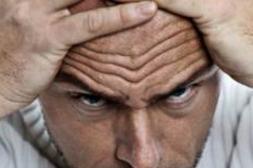
1 BOTOX醫生 去除抬頭紋
Botox treatment of forehead lines ($3,800 up)
影片示範注射 Video demonstration of Botox injection

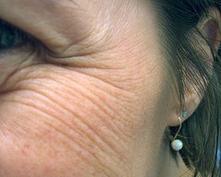
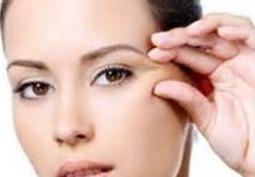
2 BOTOX醫生 去除魚尾紋
Botox treatment of Crow’s feet wrinkles ($3,800 up)
影片示範注射 Video demonstration of Botox injection
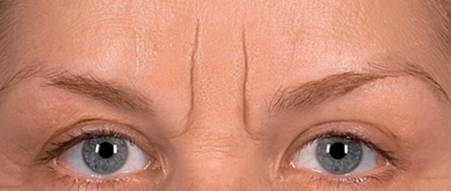
3 Botox 醫生去除眉心紋
Botox treatment of frown lines ($3,500 up)
(影片示範注射 Video demonstration of Botox injection)
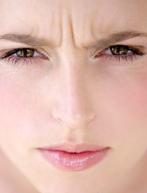
4 BOTOX 瘦面,治療國字面
Botox slimming of face ($5,300 up)
(影片示範注射 Video demonstration of Botox injection)


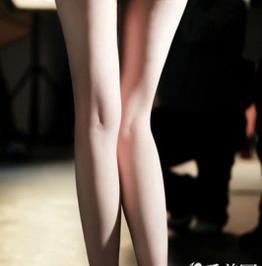
5 BOTOX 瘦小腿
Botox slimming of legs ($12,000 up)
(影片示範注射 Video demonstration of Botox injection)
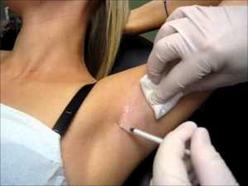
6 BOTOX 醫生治療體臭與多汗症
Botox treatment of sweaty armpits/palms ($7,500/$9,000 up)
(影片示範注射 Video demonstration of Botox injection)
怎樣選擇botox醫生進行肉毒桿菌(Botox)或其他填充劑注射,以達到對專業、安全與美感效果的保障?
1. 英國臨床訓練背景
同時具備英國「皮膚科碩士」與「美容醫學碩士」訓練,熟悉國際標準,注重技術精準與療效自然,不以「過度僵硬」為目標,而是針對個人肌肉動態與臉型進行微調。
2. 醫療級 Botox 注射
Botox醫生會使用原廠認證的 Botox® 藥劑,療程在臨床環境下進行,確保衛生與用藥安全,並非美容院級別或低價速成方案。
3. 量身定制療程
根據患者臉部表情習慣、紋理分布與審美偏好,提供個人化評估與治療計劃。不論是除皺、瘦面、眼尾提升或止汗針,皆力求達成「自然、協調」的效果。
4. 真實個案透明展示
網站提供實際治療前後照片及收費參考,強調誠信與透明,不誇大效果、不隱藏風險。
5. 注重溝通與跟進
醫生親自與求診者溝通期望與禁忌,並提供術後追蹤與照護建議,確保效果穩定且安心。
6. 收費透明
透明的收費資訊讓患者更安心,了解治療費用。
⚠️ Why Price Shouldn’t Be Your Only Guide for Botox Injections
Botox isn’t just a beauty product — it’s a medical procedure. Choosing the lowest-price provider might seem tempting, but it carries real risks to your health, safety, and final aesthetic result.
1. Risks of Choosing the Cheapest Injector
– Improper Injection Technique: Unskilled providers may target the wrong muscles, leading to unnatural expressions, drooping eyelids, or asymmetrical results.
– Unregulated Products: In some cases, clinics might use non-authentic or diluted Botox, reducing effectiveness and increasing complications.
– Lack of Facial Anatomy Expertise: Only medically trained practitioners understand how Botox interacts with different muscle groups and facial structures.
– Poor Hygiene or Setup: Budget settings may skip sterilization protocols, risking infections or other side effects.
2. What You Get with a Qualified, Experienced Doctor
– Medical-grade Botox direct from the manufacturer
– Precise techniques for natural-looking results
– Tailored treatment plans based on your face shape, muscle movement, and goals
– Post-treatment care and follow-up
– Ethical standards and clinical accountability
⚠️ Which qualities are essential in a good Botox doctor?
Choose a doctor who is trained in both dermatology and aesthetic medicine, who brings the medical precision and artistic sensitivity needed for safe, effective, and natural Botox treatments. He who doesn’t just inject but also evaluates, customizes, and monitors your results.
Transparent fees/charges are also important so to ensure patients are well-informed.
Botox肉毒桿菌素:作用機制與精準注射技術在美容醫學中的應用
肉毒桿菌素A型(Botulinum Toxin Type A,簡稱BoNT-A),商品名如Botox®,是現代美容醫學與治療皮膚科的重要技術之一。其臨床效益來自於明確的神經生理作用機制,以及日益精細的注射技術,強調解剖學準確性、安全性與自然美感。
作用機制
肉毒桿菌素是一種由Clostridium botulinum產生的神經毒性蛋白。當藥物注射至目標肌肉後,BoNT-A會選擇性地結合至神經肌肉接點的膽鹼能神經末梢,並透過受體介導的胞吞作用進入神經元。其輕鏈蛋白可酶解SNAP-25蛋白,此為乙醯膽鹼囊泡釋放所需的SNARE蛋白之一。此過程阻斷乙醯膽鹼釋放,導致目標肌肉暫時性化學去神經化,產生鬆弛效果。
臨床上,藥效通常於注射後3至5天開始顯現,10至14天達到高峰。肌肉放鬆效果可維持約3至4個月,視劑量、注射技術與個人體質而定。值得注意的是,BoNT-A不影響腎上腺素能神經,確保其選擇性作用於膽鹼能途徑。
注射技術
精準的肉毒桿菌素注射需具備深厚的面部解剖知識、肌肉動態理解與審美判斷。以下為臨床注射的核心技術要點:
1. 稀釋與準備
BoNT-A以凍乾粉形式供應,需以無防腐劑的0.9%生理鹽水稀釋。美容用途常見稀釋比例為每100單位加入2.0至2.5 mL。稀釋過程應避免劇烈搖晃,以維持藥效穩定。
2. 針具選擇
建議使用30至32號細針,以減少疼痛並提升注射精準度。注射器應具備精細刻度,特別適用於微量注射。
3. 解剖定位
注射點依據肌肉起點、終點與收縮方向決定。例如:
眉心紋(Glabellar Complex):採五點V型注射,針對皺眉肌與降眉肌。
額肌(Frontalis):注射點應距眼眶上緣3至4公分,以避免眉下垂。
眼輪匝肌(Orbicularis Oculi):魚尾紋治療需避免擴散至顴大肌,以維持笑容對稱。
4. 劑量調整
劑量依個人需求而定。眉心紋常用20至40單位,魚尾紋每側約6至15單位。過量可能導致表情僵硬,劑量不足則效果不佳。建議採保守劑量並視情況補強。
5. 注射深度與角度
如額肌等表層肌肉需淺層注射;咀嚼肌或頸部肌群則需深層注射。一般肌肉注射角度為90度,皮下注射則為45度,以控制擴散範圍。
臨床注意事項
患者篩選、知情同意與期望管理至關重要。禁忌症包括神經肌肉疾病、注射部位感染、對藥物成分過敏等。術後應避免揉壓注射區域4至6小時,並監測可能副作用如瘀青、非對稱或暫時性下垂。
結語
肉毒桿菌素在美容醫學中扮演不可或缺的角色,能有效且可逆地調控面部肌肉動態。唯有深入掌握其作用機制與注射技術,方能提供自然、安全且令人滿意的治療效果。隨著技術演進,持續精進解剖知識與臨床技巧,將進一步提升治療品質與美學成果。
Botulinum Toxin: Mechanism of Action and Precision Injection Techniques in Aesthetic Medicine
Botulinum toxin type A (BoNT-A), commercially known as Botox®, represents a cornerstone in modern aesthetic and therapeutic dermatology. Its clinical utility stems from a well-characterized neurophysiological mechanism and a continually refined injection methodology that prioritizes anatomical precision, safety, and natural outcomes.
Mechanism of Action
Botulinum toxin is a neurotoxic protein produced by Clostridium botulinum. Upon intramuscular injection, BoNT-A binds selectively to presynaptic cholinergic nerve terminals at the neuromuscular junction. The toxin is internalized via receptor-mediated endocytosis, where its light chain enzymatically cleaves SNAP-25—a critical SNARE protein involved in acetylcholine vesicle fusion. This cleavage inhibits acetylcholine release, resulting in temporary chemical denervation and flaccid paralysis of the targeted muscle fibers.
Clinically, the onset of action typically occurs within 3–5 days, with peak effect at 10–14 days. The duration of muscle relaxation ranges from 3 to 4 months, influenced by dosage, injection technique, and individual metabolic factors. Importantly, BoNT-A does not affect adrenergic synapses, ensuring selective modulation of cholinergic pathways.
Injection Techniques
Expert administration of Botox requires a comprehensive understanding of facial anatomy, muscle dynamics, and patient-specific aesthetic goals. The following principles guide optimal technique:
1. Dilution and Preparation
BoNT-A is supplied as a lyophilized powder and reconstituted with preservative-free 0.9% saline. Standard dilution ranges from 2.0 to 2.5 mL per 100 units for cosmetic applications. Gentle reconstitution avoids frothing, preserving toxin integrity.
2. Needle Selection
A 30–32 gauge needle is preferred for minimal discomfort and precise intramuscular or subdermal delivery. Syringes should be calibrated to ensure accurate dosing, especially in microinjection protocols.
3. Anatomical Mapping
Injection sites are determined based on muscle origin, insertion, and vector of action. For example:
Glabellar complex: A five-point V-pattern targets the procerus and corrugator supercilii to soften frown lines.
Frontalis: Horizontal forehead lines are addressed with superficial injections spaced 3–4 cm above the orbital rim to avoid brow ptosis.
Orbicularis oculi: Crow’s feet are treated with lateral injections, avoiding diffusion into the zygomaticus major to preserve smile symmetry.
4. Dosage Calibration
Dosing is individualized. For glabellar lines, 20–40 units may be used; for crow’s feet, 6–15 units per side. Overcorrection risks unnatural expressions, while underdosing may yield suboptimal results. A conservative approach with touch-up capability is often preferred.
5. Injection Depth and Angle
Muscles such as the frontalis require superficial placement to preserve mobility, while deeper injections are warranted for masseter hypertrophy or platysmal bands. The angle of entry—typically 90 degrees for intramuscular and 45 degrees for subdermal—affects diffusion and efficacy.
Clinical Considerations
Patient selection, informed consent, and expectation management are integral. Contraindications include neuromuscular disorders, active infection at the injection site, and hypersensitivity to any component of the formulation. Post-procedural care involves avoiding manipulation of treated areas for 4–6 hours and monitoring for adverse effects such as bruising, asymmetry, or transient ptosis.
Conclusion
Botulinum toxin remains an indispensable tool in aesthetic medicine, offering predictable, reversible modulation of facial musculature. Mastery of its mechanism and injection technique enables clinicians to deliver refined, natural-looking results while minimizing complications. As the field evolves, ongoing anatomical study and technique refinement will continue to elevate the standard of care.