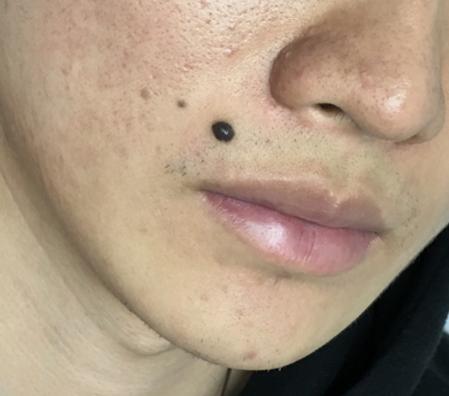
這粒位於右邊 上唇皮膚 位置的極深色的墨痣,雖然大小屬於中等,但是它的根部很深 This black colour mole situates on right upper cutaneous lip. Medium in size. The root of the mole is very deep.
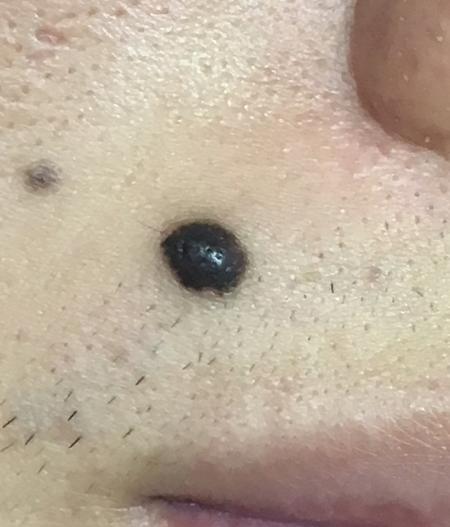
上唇皮膚脫墨 之前,近鏡觀察一粒根部很深的墨痣. Close up picture of the black mole with deep root
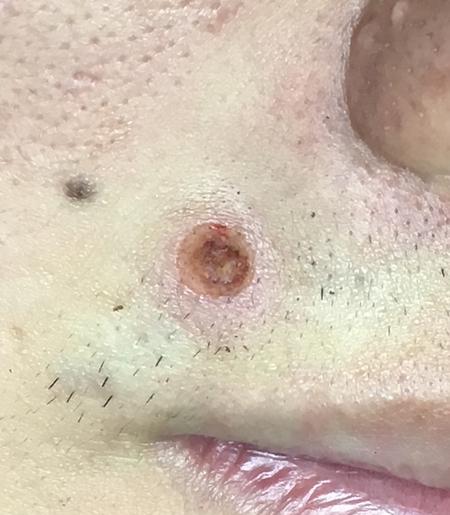
上唇皮膚脫墨 後的傷口十分之深,必須經過特殊的醫學處理,否則瘢痕會十分嚴重. Due to its deep root (deeply situated melanocytes), the wound is very deep after co2 laser mole removal. This requires special medical treatment if not the wound will be very unsighty.
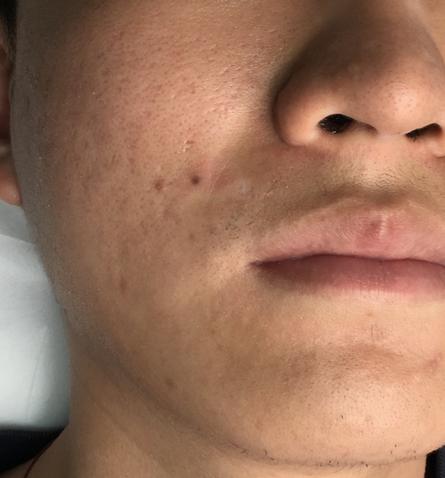
經過特殊的醫學處理,癒合後的疤痕十分細小. After special medical treatment, the wound heals very quickly and with minimal scars
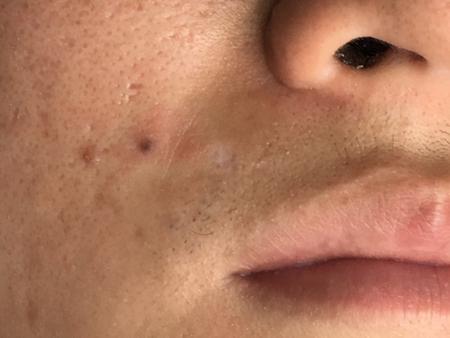
近鏡觀察特殊醫學處理的疤痕 this is the close up picture of the scar after special medical treatment
醫學專題文章:以激光進行右 上唇皮膚脫墨 的挑戰
前言: 位於右上唇鬍鬚位置的墨痣,因位置顯眼且根部較深,常令患者擔心美觀與疤痕問題。若採用激光氣化,傷口管理的挑戰更為嚴峻。此區域皮膚張力大、分泌旺盛、容易受污染,若處理不當,極易導致傷口延遲癒合或留下明顯疤痕。
1. 深層傷口的挑戰
- 皮膚張力變化大:上唇靠近鼻唇溝,屬於面部表情活躍區域。患者打呵欠、打噴嚏、大笑或喊叫時,張力會突然增加,容易造成傷口裂開。
- 污染風險高:日常洗臉、刷牙、洗頭或淋浴時,水流與泡沫容易接觸傷口;此區域汗腺與皮脂腺密集,分泌物含有大量細菌,增加感染風險。
- 位置顯眼:傷口位於上唇皮膚,無法隱藏於頭髮或鬍鬚中,任何疤痕都會直接影響外觀。
- 血流豐富:唇部血管密集,術後容易滲血或形成血腫,延緩癒合。
- 活動頻繁:說話、進食、微笑等日常動作都會牽動此區域,加重張力與摩擦。
2. 解決方案
- 嚴謹傷口管理:保持清潔乾燥,避免水分與分泌物污染;在某些特殊情況可使用抗菌藥膏或敷料,降低感染風險。
- 加強縫合:雖然激光氣化可不縫合,但若傷口較深,建議使用 緊密縫合,減少傷口裂開(dehiscence)。
- 減張貼布:術後可使用醫用減張貼布(如 Steri-Strip 或矽膠貼片),在癒合過程中分散張力,降低疤痕形成。
- 控制表情與活動:術後初期避免大笑、喊叫或劇烈運動,減少張力波動。
- 皮膚汗水與油脂:保持局部乾爽,必要時使用酒精清潔,因為酒精可以強效去除面部油脂並有效殺死皮脂及汗水內的細菌。
- 定期覆診:醫生需密切監測傷口癒合情況,及早處理感染或裂開問題。
- 疤痕管理:癒合後可使用矽膠凝膠、激光淡疤或其他醫學美容方法,進一步減少疤痕顯著度。
3. 結論
進行 上唇皮膚脫墨 的激光氣化手術,因位置特殊與傷口深度,術後管理挑戰極大。透過 嚴謹傷口護理、適度縫合、減張貼布輔助、控制日常活動,並結合病理檢驗與疤痕管理,患者最終能獲得安全、快速癒合且幾乎不留痕跡的效果。
Medical Essay: Challenges of Laser Removal of a Mole on the Right Upper Cutaneous Lip Near the Nasolabial Fold
Introduction: A mole located on the right upper lip near the nasolabial fold is both cosmetically conspicuous and often rooted deeply in the skin. When treated with laser vaporization, wound management becomes particularly challenging. This region is subject to high skin tension, abundant secretions, and frequent contamination. Without proper care, healing may be delayed and noticeable scarring can result.
1. Challenges of Deep Wound Management
- Variable Skin Tension: The upper lip near the nasolabial fold is a highly mobile facial area. Actions such as yawning, sneezing, laughing, or shouting can suddenly increase tension, risking wound dehiscence.
- High Risk of Contamination: Everyday activities like washing the face, brushing teeth, showering, or washing hair expose the wound to water and foam. Sweat and sebum from numerous glands in this area contain bacteria that can easily contaminate the wound.
- Conspicuous Location: The wound lies on exposed skin of the upper lip, not hidden by hair or moustache. Any scar will be immediately visible.
- Rich Blood Supply: The lip is highly vascular, which increases the risk of postoperative bleeding or hematoma, slowing recovery.
- Frequent Movement: Talking, eating, and smiling constantly stretch and rub the wound, adding mechanical stress.
- Psychological Burden: Because the wound is on the face, patients often experience anxiety about appearance, which can affect compliance with wound care instructions.
2. Solutions to These Challenges
- Strict Wound Care: Keep the wound clean and dry, minimize exposure to water and secretions, and apply topical antimicrobial ointments or dressings when indicated.
- Suturing: Although laser vaporization may not require suturing, deeper wounds benefit from secure closure to prevent dehiscence.
- Tension-Reducing Tape: Medical adhesive strips (e.g., Steri-Strips or silicone sheets) can be applied to redistribute tension during healing and after suture removal.
- Activity Control: Patients should avoid exaggerated facial movements, strenuous exercise, or wide mouth opening in the early healing phase.
- Sweat and Sebum Management: Keep the area dry; alcohol-based cleansers may be used cautiously to reduce oil and bacterial load.
- Regular Follow-Up: Close monitoring by the physician ensures early detection of infection or wound breakdown.
- Scar Management: After healing, silicone gel, fractional laser therapy, or other cosmetic interventions can minimize scar visibility.
- Patient Education: Clear instructions on hygiene, diet, and activity restrictions improve compliance and outcomes.
3. Conclusion
Laser vaporization of a mole on the right upper cutaneous lip near the nasolabial fold presents significant challenges due to deep wound depth, high tension, secretion-rich environment, and conspicuous location. With meticulous wound care, secure closure, tension-reducing devices, activity control, and scar management, patients can achieve safe healing and an almost unnoticeable scar.