脫墨除痣有很多方法。包括電燒灼,冷凍治療,以及藥水腐蝕,激光去除,手術切除等等。
1. 電燒灼脫墨
電燒灼脫墨就是把以電流發熱的微細電線掂住長有癦痣的皮膚表面。這方法可以以熱力把墨痣細胞破壞(電燶),達致脫墨目的。但是它的缺點就是周邊破壞大,令到附近沒有墨/痣細胞的正常皮膚受到破壞。令到疤痕的表面面積比起粒墨大很多。而且其深度非常難控制,不是太淺,就是太深。由於周邊破壞大,所以以此脫細小的墨痣會造成較大的疤痕。而且結焦的地方並不能聯線,因此用這方法來脫比較大的墨痣也很難有漂亮的疤痕。
2. 冷凍脫墨
冷凍治療一般使用液態氮氣。把液化的氮氣接觸皮膚有墨痣的地方破壞墨痣細胞。這個脫墨方法就更差。周邊破壞更加闊,深度更加難控制。唯一好處就是它的成本比電燒灼平。
3. 藥水腐蝕脫墨
藥水腐蝕脫墨使用酸性或鹼性藥水破壞墨痣細胞。這個方法脫墨疤痕最大。但是這個方法是所有方法之中最平。
4. 激光脫墨
a. 激光脫墨概述
激光脫墨是目前精細度最高的去除方式,不過費用也相對較高。針對美容需求,醫師通常偏好選擇激光,而非電灼、冷凍或化學腐蝕等傳統舊式療法。然而,醫師無法將激光應用於惡性皮膚癌;遇到這類情況時,外科醫師必須進行手術切除。
b. 主要激光類型
在去除較小的美容墨時,醫師最常選擇二氧化碳(CO₂)激光(波長 10,600 nm。水分子能高效吸收此特定波長的能量。因此,光束能逐層汽化目標組織直達根部,且不會灼傷組織。此外,激光能立即凝血封閉血管。由於過程中完全不出血,醫師能在整個療程中清晰看見墨的根部。因此,這種高精準度能避免傷口過深,並大幅減少整體疤痕形成。
相比之下,醫師較少使用鉺雅鉻(Er:YAG)激光(波長 2940nm。首先,它的穿透力較弱。受限於此,光束難以抵達墨的深層組織。因此,從業者普遍認為它的效果不如二氧化碳激光。
c. 相較於傳統方法的優勢
聚焦的激光能量能保護周圍的健康組織。相反地,電灼、化學藥劑或冷凍等舊式選擇會破壞較大範圍的周圍皮膚。再者,這些舊式技術在治療過程中會遮蔽墨的根部。結果,使用傳統方法的臨床醫師往往會造成過深或過淺的傷口,進而增加疤痕產生或殘留未清除乾淨的墨細胞。
d. 復發率與癒合時間表
與手術切除相比,激光治療的復發率較高。儘管如此,經驗豐富的醫師仍能在單次療程中成功清除超過 90% 的案例。由於激光能減少對周圍組織的傷害,患者最初的傷口會比較小。隨後,傷口會在幾天內結痂,並在一至兩週後自然脫落。
e. 恢復期與疤痕風險
結痂脫落後,底層的新生皮膚通常會呈現粉紅色或褐色。醫學界將這種暫時性的色素沉著稱為發炎後色素沉澱。深色膚色者的色素沉著往往更為明顯且持續較長時間,不過通常會隨時間自行淡化。最後,若治療位置較深,可能會留下凹陷性疤痕;而異常的癒合過程偶爾則可能引發凸起的增生性疤痕或蟹足腫。
5. 手術切除墨痣
手術切除方法,就係直接吧該墨痣切出來。切割的時候,會根據病灶的本質,去決定切除多少正常的組織。比較良性的腫瘤不會切去太多正常組織,而比較惡性的,就會切去較多正常組織)。因為切除的地方比起該墨痣範圍(或稱病灶)為大,所以傷口及疤痕都係比較大的。疤痕亦不會太好看。某種比較惡性的皮膚癌,就需要切除更多的正常組織,疤痕就會更大。切出來的組織,會做切片化驗,已確定是那一種皮膚腫瘤,之後再決定治療方法。良性的墨痣,用手術方法切除,復發率一般比其他所有方法都低。
總結
各種脫墨方法(激光、電灼、腐蝕藥水等)利弊分明。結合皮膚科碩士及美容醫學碩士(或以上)資格的醫生懂得因痣制宜,最大程度減低疤痕;美容院常用舊式手法,效果與美觀皆失。對於一些新的技術,它又未能掌握。非醫生如果在美容院內施行手術更可能會觸犯法例。
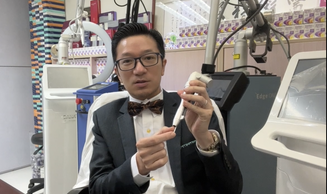
(作者後面啲四部機器全部都是二氧化碳激光機)
(The following photo shows 4 CO2 laser machines at the back of the author)
There are several methods for mole removal, including electrocautery, cryotherapy, chemical corrosion, CO2 laser cauterisation, and surgical excision.
1. Electrocautery
Electrocautery involves using a fine, heated wire powered by electricity to touch the mole on the skin’s surface. The heat destroys the melanocytes (the mole cells) (essentially “burns” them off). However, this method can cause significant damage to the surrounding healthy skin (peripheral damage), resulting in scars that are often larger than the original mole. It’s also difficult to control the depth of destruction—it often ends up being either too shallow or too deep. Because of this, using electrocautery for small moles can result in disproportionately large scars, and larger moles can’t be removed cleanly with this method.
2. Cryotherapy
Cryotherapy usually employs liquid nitrogen. It destroys the mole cells by freezing the affected area. However, it causes even more widespread damage around the target area and is even harder to control in terms of depth. Its only advantage is that it’s more affordable than electrocautery. The claim of this treatment being less painful is actually not true.
3. Chemical Corrosion
Chemical corrosion involves applying acidic or alkaline solutions to destroy mole cells. This method generally leaves the most noticeable and extensive scarring, though it is the cheapest of all methods.
4. Laser mole removal
a. Laser Mole Removal Overview
Laser mole removal is today’s most refined method, though it carries a higher cost. Doctors prefer lasers over older techniques like electrocautery, cryotherapy, and chemical corrosion for cosmetic work. However, doctors cannot use lasers on malignant skin cancer. In those cases, surgeons must perform a surgical excision.
b. Primary Laser Types
For cosmetic removal of smaller moles, doctors most commonly select the CO₂ laser (10,600nm wavelength). Water molecules absorb this specific wavelength efficiently. As a result, the beam vaporizes the target tissue layer by layer down to the root without burning it. Additionally, the laser seals blood vessels immediately. Because no bleeding occurs, the physician can clearly see the mole’s root throughout the procedure. Consequently, this high precision prevents deep wounds and minimizes overall scarring.
In contrast, doctors less frequently use the Er:YAG laser (2940nm wavelength). First, it offers weaker penetrating power. Because of this limitation, the beam struggles to reach the deeper layers of the mole. Therefore, practitioners consider it less effective than the CO₂ alternative.
c. Advantages Over Older Methods
Focused laser energy protects surrounding healthy tissue. Conversely, older options—such as electrocautery, chemical agents, or cryotherapy—damage larger areas of surrounding skin. Furthermore, those older techniques obscure the mole’s root during treatment. Consequently, clinicians using primitive methods often create wounds that are either too deep or too shallow, which increases scarring or leaves mole remnants behind.
d. Recurrence and Healing Timeline
Laser treatments show a higher recurrence rate than surgical excision. Nevertheless, an experienced doctor successfully clears over 90% of cases in a single session. Because the laser limits collateral damage, patients experience smaller initial wounds. Subsequently, a scab forms within a few days and naturally falls off after one to two weeks.
e. Recovery and Scarring Risks
After the scab sheds, the underlying skin typically looks pink or brown. Medical professionals call this temporary discoloration post-inflammatory hyperpigmentation. Darker skin tones often display more noticeable pigmentation for longer periods, though it usually fades on its own. Finally, deeper treatment sites may leave a depressed mark, while abnormal healing can occasionally trigger raised hypertrophic or keloid scars.
5. Surgical excision of skin mole
Surgical excision involves cutting out the mole with scalpel. During the procedure, the amount of normal tissue removed depends on the nature of the lesion. For benign tumors, only a small margin of healthy tissue is removed. For malignant lesions, a wider margin of surrounding tissue is taken. Since the area removed is larger than the mole, the resulting wound and scar are larger, and usually not very aesthetically pleasing.
In certain types of malignant skin cancers, even more surrounding tissue must be excised, resulting in an even bigger scar. The removed tissue is sent for histopathological analysis to determine the exact type of skin tumor, which then guides further treatment. For benign moles, surgical excision typically has the lowest recurrence rate of all removal methods.
Conclusion
Each technique has risks and limitations. A medical doctor with master’s (or above) training in both skin pathology and medical aesthetics is uniquely qualified to choose the safest, most effective method tailored to your needs.
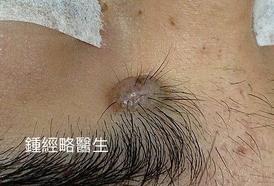
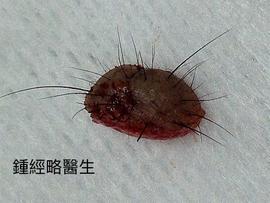
(以下三張照片就是手術切割墨痣的過程)
(The following three photos show the process of surgical mole excision )
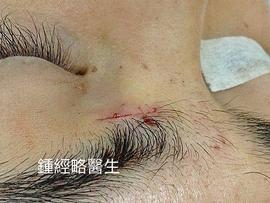
(以下圖片就是激光脫墨的效果)
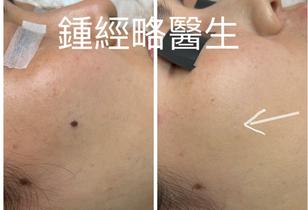
(The following image shows the results of laser mole removal.)