【注意:本文章及真實病人照片均源自鍾經略醫生的臨床皮膚科碩士及美容醫學碩士課程案例,屬於原創醫學文獻。因此,本院嚴格保留所有版權。同時,我們禁止任何形式的轉載與複製。】
Precision at the Border: Advanced Qualifications for Eyelid Margin Mole Removal
皮膚病學與醫學美容的完美結合:上眼瞼緣色素痣激光氣化術之臨床考量
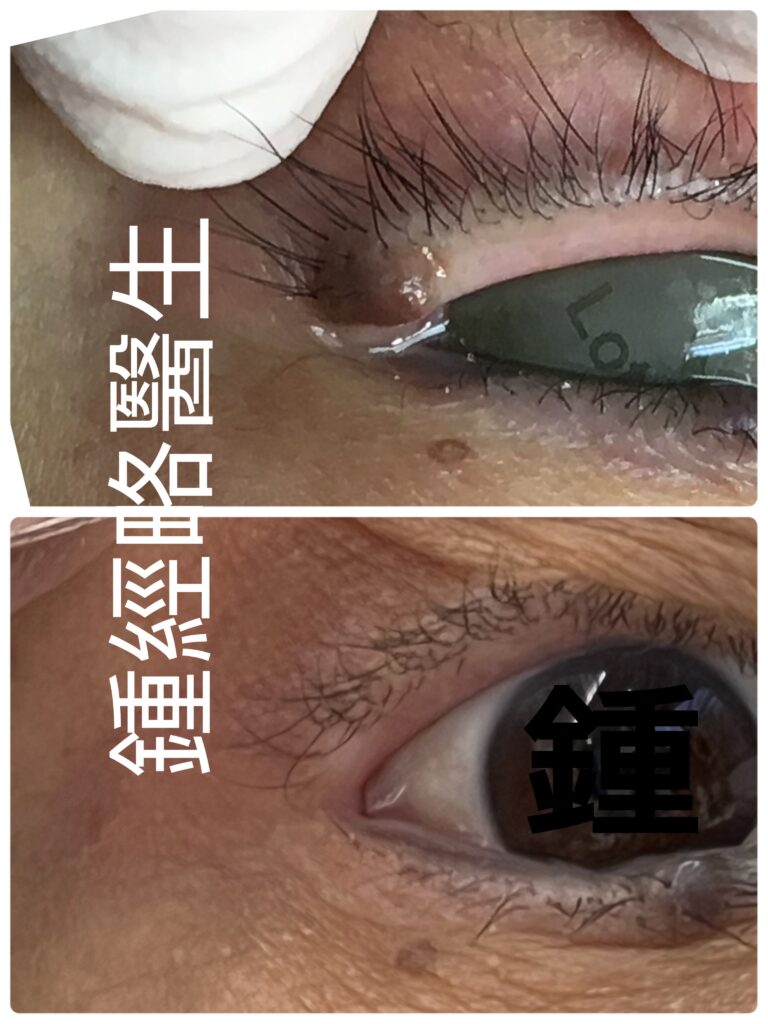
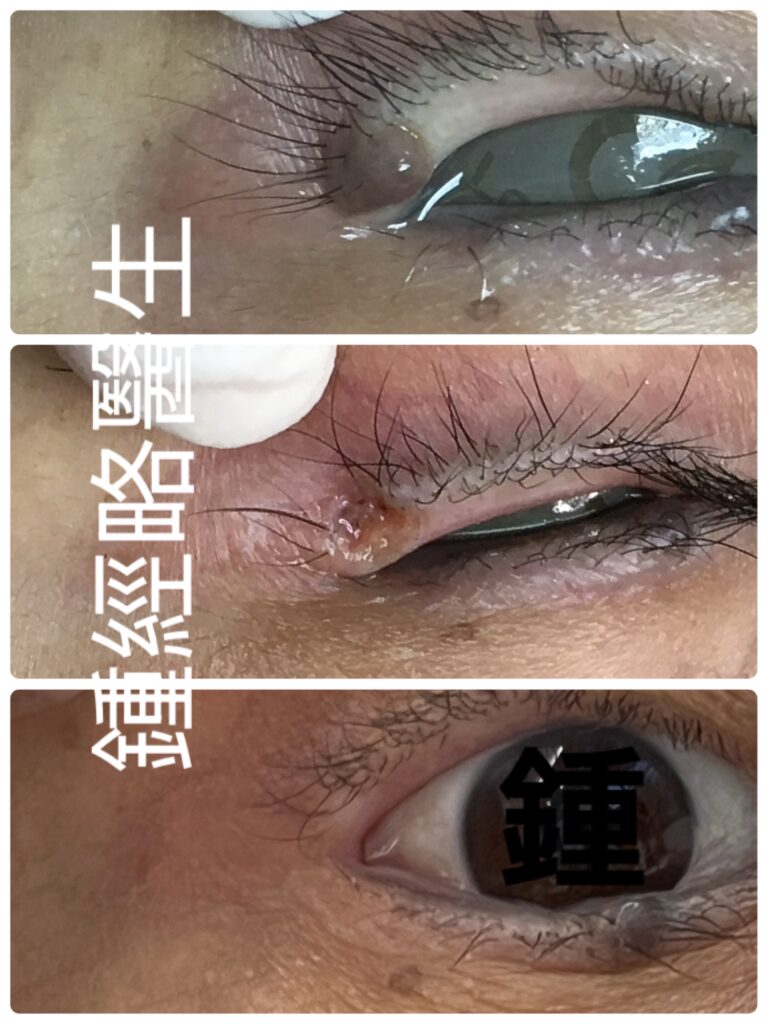
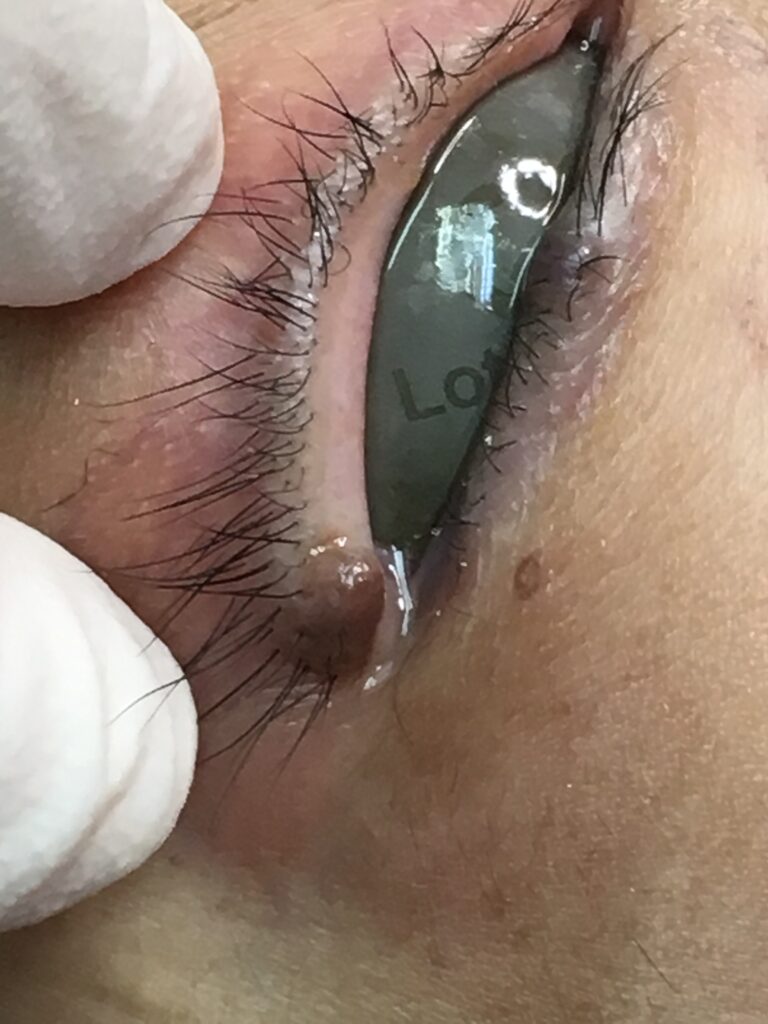
To begin with, removing an upper eyelid margin nevus using an ablative CO2 laser requires immense precision. Consequently, the surgeon must execute every step with extreme care. This region marks the delicate boundary where skin meets ocular mucosa.
A doctor who holds dual master’s degrees—an MSc in Clinical Dermatology and an MSc in Aesthetic Medicine—possesses specialized expertise. As a result, they execute this delicate task with optimal clinical and cosmetic precision. They combine diagnostic rigor, technical mastery, and aesthetic precision. This dual training benefits the procedure in several key ways:
1. Advanced Dermoscopic Triage and Histopathological Screening
Core Expertise: MSc Clinical Dermatology
Crucially, ablative lasers vaporize tissue instantly into steam and carbon residue. Because of this, clinicians cannot send the vaporized mole for a biopsy.
- Ruling Out Malignancy: Sunlight heavily exposes the upper eyelid. Therefore, this area carries a high risk for malignant skin cancers. Specifically, these include basal cell carcinoma (BCC), melanoma, and aggressive sebaceous gland carcinoma (SGC).
- Diagnostic Mastery: Through rigorous clinical training, the physician uses high-magnification dermoscopy to analyze pigment networks and vascular patterns. Consequently, they can confidently identify benign nevi before activating the laser. If any diagnostic uncertainty remains, they immediately pause the laser procedure to perform a proper biopsy instead.
2. Controlling Laser Physics and Thermal Dynamics
Core Expertise: MSc Aesthetic Medicine & MSc Clinical Dermatology
The CO2 laser (10,600 nm) targets intracellular water to vaporize tissue. However, incorrect settings force excess heat into adjacent healthy tissue, causing severe scarring.
       [ CO2 Laser Beam (10,600 nm) ]
                     │
                     ▼
  ┌─────────────────────────────────────┐
  │     Vaporization Zone (100–200 µm)  │  <-- Target: Dermal Nevus
  ├─────────────────────────────────────┤
  │   Thermal Coagulation Zone (Heat)   │  <-- Controlled depth prevents scarring
  └─────────────────────────────────────┘
                     │
           [ Subcutaneous Layer ]
- Micro-Layer Precision: Through formal aesthetic training, the doctor calculates exact fluence, pulse width, and spot sizes.
- Thermal Management: As a result, the doctor vaporizes microscopic layers (100–200 μm per pass) with extreme control. This seals blood vessels cleanly without damaging the underlying tarsal plate.
3. Preserving Margin Anatomy and Ocular Function
Core Expertise: MSc Clinical Dermatology & Aesthetic Medicine
Moles on the eyelid margin often touch the Meibomian gland orifices and eyelash follicles.
- Preventing Dry Eye and Lash Damage: Unfocused ablation destroys Meibomian glands, causing severe dry eye. Furthermore, it can damage hair roots, causing inward-growing eyelashes (trichiasis) that scratch the cornea.
- Maintaining Lid Contour: Because the doctor understands eyelid mechanics, they avoid over-ablating the tissue. Over-ablation causes permanent “notching” that interrupts how tears spread during blinks. Instead, they stop precisely at the superficial dermal layer to ensure smooth healing.
4. Executing Strict Periocular Safety Protocols
Core Expertise: MSc Aesthetic Medicine
Firing an ablative laser near the eye creates immediate risks, including corneal burns and vision loss.
- Ocular Protection: Standard external eye shields offer inadequate protection here. Therefore, the trained practitioner routinely places an anesthetized, stainless steel corneal shield directly beneath the lid. This shield completely blocks misdirected laser beams.
- Plume Management: In addition, CO2 ablation creates a toxic smoke plume. Advanced safety training requires high-flow smoke evacuators next to the lid to protect both eye tissue and air quality.
Complementary Expertise Summary
| Specialty Qualification | Primary Role in Eyelid CO2 Laser Ablation |
|---|---|
| MSc Clinical Dermatology (or above) | Conducts dermoscopic checks, rules out skin cancers, assesses nevus depth, and manages pigmentation. |
| MSc Aesthetic Medicine (or above) | Calibrates laser energy, applies internal eye shields, and preserves natural eyelid symmetry. |
Ultimately, this dual background bridges diagnostic safety with surgical precision. It effectively minimizes the risk of recurrence, scarring, or long-term eye damage.
使用剝離式二氧化碳CO2激光直接切除上眼瞼緣的痣,需要極高的精準度。因為這個位置正是脆弱的皮膚與眼部黏膜交界的敏感地帶。
因此,同時擁有臨床皮膚病學碩士(MSc in Clinical Dermatology)與醫美醫學碩士(MSc in Aesthetic Medicine)雙碩士學位的醫生(或以上學歷的醫生),非常適合勝任這項任務。他們兼具嚴謹的診斷能力、精湛的操作技術,以及敏銳的眼周美學眼光。這種雙重專業背景能從以下幾個關鍵方面顯著提升手術效果:
1. 進階皮膚鏡篩查與病理風險評估
核心專業: 臨床皮膚病學碩士(或以上)
關鍵在於,剝離式激光會瞬間將組織氣化為水蒸氣同碳殘留物。因此,醫生無法將氣化後的痣送往病理科進行活檢。
- 排除惡性腫瘤: 上眼瞼長期接受陽光照射。所以,這個位置患上基底細胞癌(BCC)、黑色素瘤或高侵襲性瞼板腺癌(SGC)的風險極高。
- 精準診斷能力: 憑藉扎實的臨床訓練,醫生能熟練運用高倍皮膚鏡深入分析色素網絡與血管形態。因此,他們在開啟激光前就能確診良性痣。一旦存在任何診斷疑慮,他們會立刻暫停激光計劃,改用常規活檢。
2. 精確掌控激光物理特性與熱動力學
核心專業: 醫美醫學碩士 & 臨床皮膚病學碩士(或以上)
CO2 激光(波長 10,600 nm)主要透過吸收細胞內水分來氣化組織。然而,如果參數設置不當,過多的熱量就會擴散至周圍健康組織,從而留下嚴重疤痕。
       [ 二氧化碳激光束 (10,600 nm) ]
                     │
                     ▼
  ┌─────────────────────────────────────┐
  │      氣化層 (100–200 µm)            │  <-- 目標:真皮層色素痣
  ├─────────────────────────────────────┤
  │      熱凝固層 (熱量控制)            │  <-- 精準控制深度,防止留疤
  └─────────────────────────────────────┘
                     │
           [ 皮下組織層 ]
- 微米級精準剝離: 經過系統化的醫美訓練,醫生能精確計算能量密度、脈寬與光斑大小。
- 熱損傷管理: 得益於此,醫生可以極其精準地逐層氣化微米級組織(每通光約 100-200μm)。這樣既能完美封閉微血管止血,又能避免灼傷深層的瞼板。
3. 保護眼瞼邊緣結構與眼部功能
核心專業: 臨床皮膚病學碩士 & 醫美醫學碩士(或以上)
眼瞼邊緣的痣往往緊貼甚至包繞瞼板腺開口與睫毛毛囊。
- 預防乾眼症與倒睫: 盲目的氣化會破壞瞼板腺,引發嚴重的慢性乾眼症。此外,它還會損傷毛囊,導致睫毛倒睫(trichiasis)並刮傷角膜。
- 維護眼瞼外形: 由於醫生精通眼瞼張力與力學結構,他們能有效避免過度氣化。過度剝離會導致眼瞼邊緣留下永久性的「V型缺口」,進而破壞眨眼時淚膜的均勻塗抹。相反,他們會將氣化精確止步於真皮淺層,確保組織平整愈合。
4. 嚴格執行眼周激光安全規範
核心專業: 醫美醫學碩士(或以上)
在緊貼眼球的區域操作剝離式激光具有即時危險,包括角膜燒傷和視力受損。
- 眼球防護措施: 普通的外用護目鏡在這裡根本無法提供足夠的防護。因此,受過專業培訓的醫生會在術前將麻醉後的內置不鏽鋼角膜保護片直接放置於眼瞼下方。這塊防護片能徹底阻擋誤射的激光束。
- 煙霧管理: 此外,CO2 激光氣化會產生含有微小顆粒的有害煙霧。高級安全規範要求在眼瞼旁配置高流量吸煙器,全面保護患者的眼部組織與呼吸環境。
雙專業優勢總結
| 學位資歷 | 在上眼瞼 CO2 激光氣化術中的核心作用 |
| 臨床皮膚病學碩士(或以上) | 開展皮膚鏡檢查、排除皮膚癌、評估痣的真皮深度、管理術後色素沉著。 |
| 醫美醫學碩士(或以上) | 校準激光能量參數、佩戴眼內保護片、維護眼瞼自然的對稱美觀。 |
總結: 這種雙重學術背景成功打通了診斷安全性與微創精確度之間的橋樑。它能夠最大限度地降低痣復發、留疤或長期眼部損傷的風險。