脫墨失敗的情況非常常見,尤其是操作者沒有經驗。
脫墨失敗的情況有兩種。第一種情況就是該墨痣還未脫清。它體積變小,顏色變淺了。但是本身粒墨仍然存在。若干時日之後,該粒墨痣仍然會長出來。
未脫清的墨痣,可以用激光再做多一次或兩次,但是,當然這不是最理想的情況,因為當你一次又一次的用激光去破壞該處的組織,疤痕當然會一次比一次嚴重。一次過用激光把墨痣脫乾淨,疤痕一定會係最少。
第二種情況就是雖然粒墨脫清了,但是遺留下一個深紅或啡色印,這就是我們經常聽到的後遺症叫做色素沉着。遇到脫墨後的色素沉着,如果疤痕位置是平坦的,我們可以考慮用非入侵性,非磨蝕性的激光,例如:q-switch Nd:YAG 激光,反覆治療患處,把色素沉着慢慢減淡。
比較嚴重嘅疤痕呈一個深坑的狀態,凹進去的疤痕,可以考慮做激光磨皮,或者做一個疤痕修復手術。這是需要開刀以及縫線的一個手術。這兩種處理方法都屬於入侵性的治療,有相當的風險。
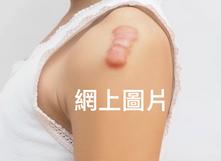
更甚的是,有些疤痕不是凹進去,而是變成一個凸出來的增生性疤痕。 這樣的疤痕,比起之前那粒墨,更加難看。預防的方法,就是做任何脫墨脫痣之前,找一位有經驗的脫墨醫生,詳細討論手術的過程。因為有若干方法可以減少這類型的疤痕,但是必須在做手術之前預先計劃好。
而凸出來的增生性疤痕,可以考慮注射類固醇,把該疤痕體積縮小,然後再打激光減少發紅的情況。另外可以考慮冷凍療法把疤痕縮小。除此之外還有醫生把疤痕用手術割去,之後再用X光照射以防止疤痕復發。如果這些通通都沒有用的話,可以考慮用免疫療法。其他還有一些很罕見的脫失敗情況。例如操作者在清除一粒生長在眼線上面的墨痣的時候,不小心用激光把患者的眼睛打盲了。在這個情況,必須轉介眼科醫生作出跟進及治療。當然,這個情況是絕對可以避免發生的。
(以下圖片顯示各種疤痕,網上圖片,並非鍾醫生的案例)
1. Scarring: Some degree of scarring is expected. The extent depends on the removal method, mole size and depth, and skin type. Generally speaking, scars on the face tend to be sunken (atrophic) while those on the body are raised (hypertrophic/keloid)
2. Infection: Redness, swelling, pus, and tenderness signal infection. Keeping the wound clean and dry is important to prevent infection.
3. Bleeding or hematoma: Especially if you’re on blood thinners eg aspirin and warfarin, or the mole is in a highly vascular area eg eyelid and lip.
4. Incomplete removal: The mole may regrow if its root wasn’t fully removed.
5. Pigmentation changes: The treated area may become darker (hyperpigmentation) or lighter (hypopigmentation), especially in people with darker skin tones.
6. Nerve damage: Rare, but possible if the mole is near a nerve. This can lead to numbness or tingling sensation.
7. Allergic reactions: To anaesthetics, topical ointments, or adhesives used during the procedure.
8. Masking of skin cancer/misdiagnosis:
If a mole is removed without medical evaluation, it could delay the diagnosis and treatment of skin cancer.
How can these complications be prevented and treated?
1. Prevention is key—discuss the procedure thoroughly with an experienced doctor beforehand, as proper planning can reduce the chances of these complications.
2. Follow doctor’s instructions for wound care, including keeping the area clean and covered.
3. Avoid sun exposure on the healing site.
4. Avoid picking at scabs or using harsh chemicals on the wound.
5. Report any signs of infection, excessive bleeding, or other concerning symptoms to your doctor immediately. He may prescribe antibiotic to you to treat infection. He will also treat any allergic reactions with oral and topical medication. Excessive bleeding can be prevented or treated with suturing of the wound properly.
6. Incompletely removed moles should be treated as soon as possible.
7. Consider using silicone sheets or other scar treatments to minimize scarring.
8. For very resistant keloid scars, we can consider the following options:
a. Steroid injections to reduce size
b. Laser therapy to lessen redness
c. Cryotherapy to shrink the scar
d. Surgical excision followed by radiation therapy to prevent recurrence
e. Consider immunotherapy in very stubborn cases.
There are also rare but serious complications. For example, if a mole on the eyelid is treated improperly with laser, it could result in permanent vision damage. In such cases, referral to an ophthalmologist is essential. But with the right precautions, this type of incident is entirely preventable.
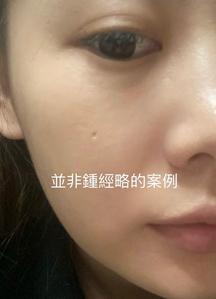
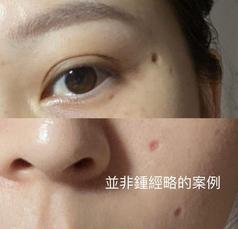
總結:復發、色素沉着、凸疤等問題若由未訓練人員操作,後果難以收拾。具備醫美修復技術的醫生能事前預防、事後補救。
Conclusion: Scarring, infection, nerve damage—these risks require medical skill to avoid or treat. Only a specialist who understands both skin biology and medical aesthetics can minimize damage and maximize aesthetic results.