
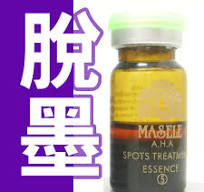
What are the over-the-counter mole remover (mole removal cream)? Are they safe?
脫墨藥膏,又叫去痣膏/脱痣藥水/除痣靈/脫墨藥水的成分通常是強鹼或強酸。最常見的成份為氧化鈣(生石灰)和氫氧化鈉等成分,具有強鹼性。依據國際化妝品基準,這種程度的產品對皮膚有腐蝕性,將產生不可逆的傷害。
2023年12月日本新聞報道,日本消費者爭議核心機構13日表示,目前總計接獲4起在網上購買中國大陸製的「點痣膏」,導致嚴重皮膚障礙的案例,呼籲民眾避免購買與使用。機構指出,該商品具有強鹼性,使用將對皮膚造成不可逆轉的傷害。《每日新聞》報導,目前總共接獲5件點痣膏相關諮詢,其中4名諮詢者出現嚴重皮膚問題。一名70多歲的女性,在額頭的痣上使用大陸製的點痣膏後,導致皮膚變色潰爛。另一名諮詢者在塗抹該產品後,皮膚出現燒灼般的疼痛,到皮膚院看診後,需要接受1年以上的治療。受害人均是因為化學反應遭到灼傷。
2016年10月,明報專訊,內地有不少店舖聲稱,可利用天然成分脫痣,只須10元人民幣就可變靚。但有業內人士透露,脫痣藥膏是用腐蝕性化學物質製成,不但未能脫乾淨,更有機會留疤,更可能令原本的良性的痣變成惡性。自稱是業內人士的陳先生,在深圳東門從事多年脫痣生意。他向內地記者展示兩瓶物質,聲稱市面上的祖傳脫痣,都是用這兩瓶物質,對顧客聲稱是中草藥調配而成,但實際上,這兩瓶物質是由燒鹼(氫氧化鈉)和石灰兩種化學物質製成,溶解蛋白質,用燒鹼把皮膚溶掉。除脫痣會引起化學物質燒傷外,脫痣工具不潔,例如循環使用刺痣針,亦會引起疾病傳染。
用這種方法脫墨其實十分危險。
總結:脫墨膏含強鹼或強酸,可能灼傷皮膚甚至留疤。醫生才能判斷是否適合移除、並提供安全方案;自行使用脫墨藥膏風險極高。
Over-the-counter mole removal creams often contain strong alkaline or acidic substances, most commonly calcium oxide (quicklime) or sodium hydroxide. These agents are corrosive and can cause irreversible damage to the skin, causing ugly scars.
Reported Dangers:
In December 2023, Japan’s Consumer Affairs Agency reported multiple cases of severe skin damage from people using mole removal creams purchased online. Victims experienced symptoms such as skin discoloration, ulceration, and chemical burns—some requiring over a year of treatment. A 70-year-old woman developed a festering forehead wound, while another user described a painful burning sensation after applying the product, later needing long-term medical care.
In 2016, Ming Pao (Hong Kong) reported that many shops in Mainland China falsely claimed to offer “natural” mole removal treatments for just 10 RMB. But insiders revealed that the products that they use were actually highly corrosive chemicals disguised as herbal remedies. A practitioner in Shenzhen admitted these so-called traditional remedies were made from chemicals that burn off the skin.
An article published in Journal of clinical and aesthetic dermatology identified 38 cases in the year 2019 – 2021 in which patients sustained burns, pain, and ulceration, resulting in permanent scarring and disfigurement after using unapproved mole remover containing ingredients included salicylic acid and calcium oxide etc. Treatments included antibiotics, hospital care, wound care, and dermatology advice to have a skin graft.
Additionally, poor hygiene and reusing needles for mole removal, increase the risk of infection and disease transmission.
Bottom line: Using unregulated mole removal creams is extremely risky. Not only can they cause scarring, infection, and disfigurement—they may even lead to misdiagnosed or worsened skin cancers if not properly assessed by a medical professional.
Conclusion: DIY solutions risk burns, ulcers, and misdiagnosis. Why gamble when a highly trained doctor can remove moles cleanly, safely, and with aesthetic finesse?