
醫學研討:激光相較於傳統外科切除的優勢
Discussion: the advantages CO2 laser over conventional surgical excision.
【注意:本文章及真實病人照片均源自鍾經略醫生的臨床皮膚科碩士及美容醫學碩士課程案例,屬於原創醫學文獻。因此,本院嚴格保留所有版權。同時,我們禁止任何形式的轉載與複製。】
描述:此良性墨痣高出皮膚表面 0.4 公分,呈深棕色。其最長軸為 0.9 公分。上面長有約 10–18 根細小的終毛。邊界清晰且界限分明,形狀規則,色素分佈均勻。
The lesion is elevated 0.4 cm above the skin surface and appears dark brown in color. Its longest axis measures 0.9 cm. Approximately 10–18 thin terminal hairs arise from it. The borders are clear and well defined, the shape is regular, and the pigmentation is homogenous.
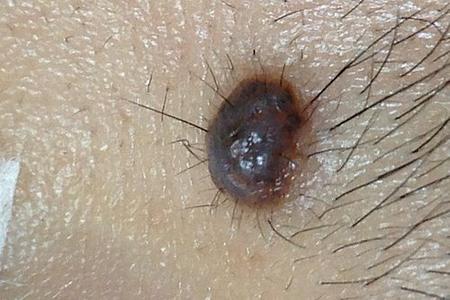
激光脫墨前: 生於左邊眉毛之下近眉心處的巨大墨痣
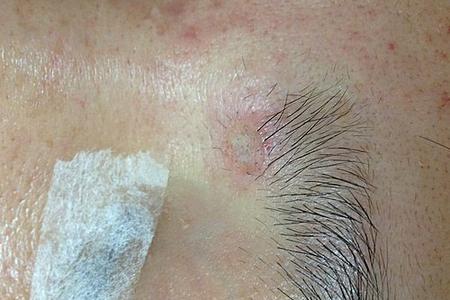
激光脫墨後的傷口狀況 The appearance of the wound after laser mole removal
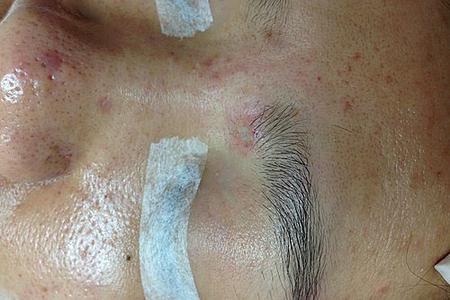
激光脫墨後的傷口狀況 The appearance of the wound after laser mole removal
醫學研討:眉毛附近良性痣切除:二氧化碳激光相較於傳統外科切除的優勢
1. 癒合更快
- 激光:能夠精準、可控地消融痣組織,對周圍組織的損傷極小。減少出血與組織破壞,促進更快的上皮化。
- 外科:需切開並縫合,因傷口張力及縫線相關炎症,癒合時間較長。
2. 美容效果更佳
- 激光:表面更平滑,疤痕較少,尤其在眼瞼等美容敏感區域更為重要。疤痕通常較淡,有時甚至可與自然皮膚皺褶融合。
- 外科:線狀疤痕可能更明顯,特別是未能與自然皺褶對齊時。
3. 眼瞼(眼皮)區域的安全性提升
- 激光:減少出血,降低血腫風險,並能精準定位而不破壞深層組織。可使用角膜保護片以保障眼睛安全。
- 外科:需在精細結構附近小心剝離與縫合,若操作不慎,損傷周邊組織的風險較高。手術中也常需角膜保護片以防意外損傷。
4. 傷口護理更簡便
- 激光:通常僅需局部護理(抗生素藥膏、溫和清潔)。無需拆線,減少病人不適與隨訪次數。
- 外科:需縫線護理,可能需要拆線,傷口監測更為繁瑣。
5. 毛髮保存更好
- 激光:可選擇性消融痣組織,同時保留周邊毛囊,維持眉毛或睫毛完整。在許多情況下,若採用合適技術,甚至痣內的毛髮也能保存。
- 外科:若毛囊位於切除邊界,可能被犧牲,導致局部脫毛。
6. 手術時間更短
- 激光:快速消融且無需縫合,大幅縮短手術時間。對於難以耐受長時間操作的兒科病人尤為重要。
- 外科:因需切開、剝離及分層縫合,手術時間較長。
7. 高清除率
- 激光:因為痣的根部的外觀與周圍正常組織不同,我們能直接觀察痣的根部,這便於徹底消融痣的根部並減少附帶損傷/周邊破壞。但此技術需長期訓練與豐富經驗才能掌握。
- 外科:可透過病理檢查確認完全切除,但可能會切除過多正常組織。
總結
眉毛附近的激光痣切除能提供更快癒合、更佳美容效果、更簡便的傷口護理、更好的毛髮保存以及更短的手術時間,同時在仔細觀察痣根部時仍能達到高清除率。外科切除在需要病理學確認時仍具價值,但在美容敏感區域如眉毛,二氧化碳激光消融往往是更理想的選擇。
Discussion: Benign mole removal near the eyebrow – the advantages CO2 laser over conventional surgical excision.
1. Faster Healing
- Laser: Creates a precise, controlled ablation with minimal trauma to surrounding tissue. Reduced bleeding and less tissue disruption promote quicker epithelialization.
- Surgical: Involves cutting and suturing, which can prolong healing time due to wound tension and suture-related inflammation.
2. Better Cosmetic Result
- Laser: Leaves a smoother surface with less scarring, especially important in cosmetically sensitive areas like the eyelid. Scars are often faint and sometimes blend with natural skin folds.
- Surgical: Linear scars may be more visible, particularly if not aligned with natural creases.
3. Improved Safety in Eyelid Area
- Laser: Minimizes bleeding, reduces risk of hematoma, and allows precise targeting without deep tissue disruption. Protective corneal shields can be used to safeguard the eye.
- Surgical: Requires careful dissection and suturing near delicate structures; higher risk of damaging adjacent tissues if not meticulously performed. Protective corneal shields are often needed to protect accidental damage during surgery.
4. Easier Wound Management
- Laser: Often requires only topical care (antibiotic ointment, gentle cleansing). No sutures to remove, reducing patient discomfort and follow-up visits.
- Surgical: Requires suture care, possible removal, and more intensive wound monitoring.
5. Better Hair Preservation
- Laser: Can selectively ablate mole tissue while sparing adjacent hair follicles, preserving eyebrow or eyelash integrity. In many situations, even the hairs within the benign mole can be spared if appropriate techniques are being employed.
- Surgical: Follicles may be sacrificed if included in the excision margin, leading to localized hair loss.
6. Shorter Operation Time
- Laser: Quick ablation without suturing significantly reduces procedure time. This is especially valuable in paediatric patients, who may struggle with prolonged procedures.
- Surgical: Longer due to incision, dissection, and layered closure.
7. High Clearance Rate
- Laser: Allows direct visualization of the mole’s root, which appears different from surrounding normal tissue. This enables complete ablation while minimizing collateral damage. However, it requires extensive training and considerable experience to master.
- Surgical: Provides histological confirmation of complete excision, but may remove more tissue than necessary.
Summary:
Laser mole removal around the eyebrow offers faster healing, superior cosmetic outcomes, easier wound care, better hair preservation, and shorter procedure times, while still achieving a high clearance rate when the root is carefully observed. Surgical excision remains valuable when histological confirmation is required, but in cosmetically sensitive areas like the eyebrow, laser abltation is often the preferred approach.